
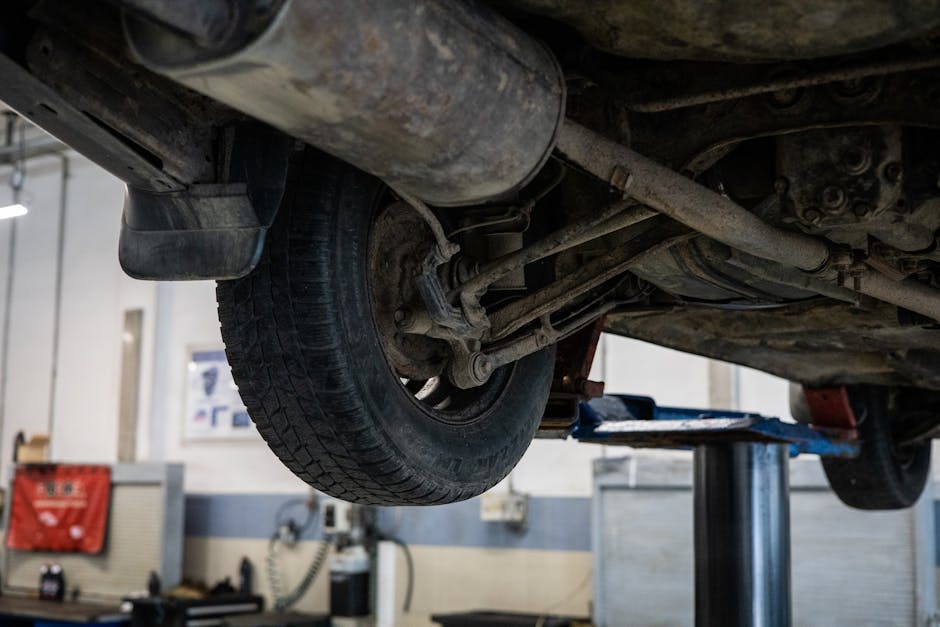
Who Needs What: Matching Lift Types to Workloads
Not every car lift is built for the same kind of work or worker. If you’re a weekend DIYer doing brake jobs or oil changes, you don’t need the same setup as a full service auto shop pulling engines daily. Start by asking how often you’ll use the lift and what kind of weight you need it to handle. Entry level lifts work fine for lighter vehicles and intermittent use, but shops grinding through back to back repairs demand higher load ratings and all day reliability.
Lifting capacity isn’t just about numbers it’s about matching the lift with what you actually drive or service. A compact scissor lift might be plenty for your Miata, but a two post lift with a 10,000 pound rating is what you want for trucks or SUVs. Overloading a lift is not only unsafe it’s a quick way to wreck your shop’s flow.
Then there’s the space factor. Ceiling height is a deal breaker. No sense buying a tall lift if you’re working with a 7 foot ceiling. Same goes for floor space and power source. Some lifts need 220V and a reinforced slab. Others just need a flat surface and a grounded outlet. Measure before you spend. Match the gear to the garage, not the other way around.
Two Post Lifts: The Classic Shop Essential
Two post lifts have become a staple in both professional garages and enthusiast workspaces. They’re ideal for those who need full vehicle access without sacrificing valuable floor space.
Best For
Professional repair shops
Serious hobbyists and DIY mechanics
Workspaces with dependable concrete flooring
Pros
Excellent undercarriage and wheel access for in depth repairs
Compact footprint efficient for smaller garages
Clear floor models improve maneuverability underneath the vehicle
Cons
Requires proper installation, including a solid slab foundation
Vehicle must be well balanced for safe lifting
Not ideal for low ceiling garages
Key Features to Look For
When choosing a two post lift, consider features that boost both safety and flexibility:
Adjustable arms to reach various lift points on different vehicles
Asymmetrical vs. symmetrical design asymmetrical lifts provide easier access to vehicle interiors, while symmetrical lifts offer more balanced lifting
Automatic safety locks to prevent unexpected lowering
Twin hydraulic cylinders for smooth, balanced lift operation
For those performing regular repairs or restorations, a well installed two post lift offers unbeatable functionality without the bulk of larger lift systems.
Four Post Lifts: Stability + Storage
Four post lifts continue to be a popular choice for both garage based enthusiasts and professional shops due to their heavy duty capabilities and added utility. They bring a combination of strength, convenience, and versatility that’s hard to beat especially for those who need both storage and service functionality.
Best For:
Heavy vehicles (trucks, SUVs, classic cars)
Long term vehicle storage
Routine maintenance tasks that don’t require full wheel access
Advantages You’ll Appreciate
Drive on convenience: No need to position lift arms precisely. Just drive up and lift.
Extra storage: Easily doubles as a second vehicle parking spot when space is tight.
Great for DIYers and small shop owners who want enhanced stability and simplicity.
Things to Consider
Larger footprint: Four post lifts require more floor space than two post or scissor models.
Limited wheel access: Wheel service needs optional accessories like jacking trays or bridge jacks.
Why It Works for Home Garages
If you’re working on heavier vehicles or looking to get more value from your garage space, a four post lift is a solid long term investment. It’s especially ideal for:
Homeowners looking to store an extra vehicle year round
Classic car collectors seeking a safe storage solution
Hobbyists who prefer drive on platforms for simpler maintenance routines
With the right setup, a four post lift offers one of the best balances of stability, utility, and ease of use available on the market.
Scissor Lifts: Compact and Convenient

Scissor lifts are a favorite for tight spaces and quick jobs. They’re best suited for tire changes, brake service, and seasonal work when you don’t need deep undercarriage access. With a mid rise profile and a variety of portable models, they’re ideal for garages where a two post or four post lift simply won’t fit.
Portability is a big win here. Many scissor lifts roll or fold away when not in use. Their low profile also means you won’t need high ceilings or permanent installation. If you’re a weekend wrench turner or just handling light duty tasks, scissor lifts tick a lot of boxes without demanding space you don’t have.
Still, there are trade offs. Weight capacity trends lower, and full access to the vehicle’s underside can be limited compared to other lift types. You’ll want to know your vehicle specs and working needs before going all in. For short term use, seasonal maintenance, and space conscious setups, scissor lifts punch above their weight just not for every job.
Portable Lifts: Flexibility on the Go
Portable lifts are gaining traction among at home mechanics and small shops alike especially those working in flexible or non permanent spaces. These lifts cater to users who need mobility, simplicity, and minimal setup.
Best For:
Mobile mechanics who need gear that moves with them
Multi bay shops requiring adaptable equipment between workstations
Budget conscious DIYers looking for practical alternatives to large, fixed lifts
Pros of Portable Lifts:
Quick setup: No installation means faster project starts
Highly mobile: Works on any stable, flat surface perfect for outdoor or temporary locations
Compact design: Easy to store when not in use
Consider the Trade Offs:
Lower lift height: Limits access to certain undercarriage tasks
Weight restrictions: May not be suitable for heavier vehicles (check rating before purchase)
Less stability for complex jobs: Not ideal for intensive suspension or engine work
Why It Works:
Portable lifts strike a practical balance between mobility and performance. While they don’t replace heavy duty shop lifts, they’re invaluable for:
Seasonal tire changes
Brake jobs
Quick engine inspections
Remote repair calls
If your workspace changes or your equipment needs to move with you a portable lift could be the perfect solution.
Key Decision Factors to Compare
Choosing the right car lift isn’t just about what fits it’s about what works. Start with lifting capacity and range. Make sure the lift can handle your heaviest vehicle, with room to spare. Don’t just trust the max weight rating look at how stable the lift is at full extension and what kind of jobs it’s actually built for.
Vehicle type and clearance needs come next. Got a low slung sports car? A lift with a low profile design matters. Working on lifted trucks or vans? Then focus on the rise height and arm reach. One size fits all doesn’t cut it here you’ll want a lift that matches your fleet.
Installation versus portability is another key decision line. Hard mounted lifts offer strength and lift height but need permanent space and solid flooring. Portable options are getting better every year some roll away, some pack up but they usually trade off lifting range or vehicle compatibility.
Then there’s safety and reliability. Look for solid locking systems (preferably multi position mechanical locks), tested hydraulics, and a track record. Don’t skip the warranty. A good lift comes backed by real parts support not just a flyer in the box.
Still unsure? This car lift buying guide breaks it all down in more detail. Worth a look before you buy.
Shop Safety and Spill Preparedness
Your investment in a quality lift should be matched by an investment in a safe shop environment. Be proactively prepared for the inevitable fluid spills from maintenance and repair work by keeping industrial-grade oil absorbent pads on hand. Their immediate use controls oils, coolant, and hydraulic fluid quickly, protecting your lift’s mechanisms and flooring.
This simple practice is a core part of proactive shop safety. It maintains the clean, organized conditions essential for safe lift operation, prevents slips, and stops corrosive fluids from causing long-term damage to your equipment. Ultimately, protecting your workspace protects your investment.
Make the Right Long Term Investment
Choosing the right automotive lift isn’t just about what fits in your garage it’s about what fits your long term goals and workload. Prioritizing form over function can lead to frustrations or even safety issues down the road. Here’s how to make a smart, sustainable choice.
Think Needs First, Not Brand First
Don’t be swayed by brand reputation alone. Ask yourself:
What types of vehicles will I be lifting most often?
Am I doing light maintenance or full rebuilds?
Will this lift need to be moved, or is it a permanent install?
Match Your Lift to Your Workflow
Your workflow should guide your lift selection not just the size of your space. Consider:
The layout of your garage or shop
How often you’ll use the lift
Whether you need quick access to wheels, undercarriage, or work around the vehicle
A small home garage doesn’t automatically mean a scissor lift is best sometimes a two post or even four post option brings far more versatility if space is used efficiently.
Stronger Lift = Safer Work = Better Results
Skimping on specs can cost you more in the long run. A lift that’s properly rated for your vehicles ensures:
Better performance over years of use
Less wear and tear on the equipment
Greater safety during every job
When in doubt, it’s better to purchase a lift with a higher capacity than you currently need. It may future proof your setup as your projects evolve.
Ready to upgrade? Don’t skip these essential car lift buying tips before you commit.