
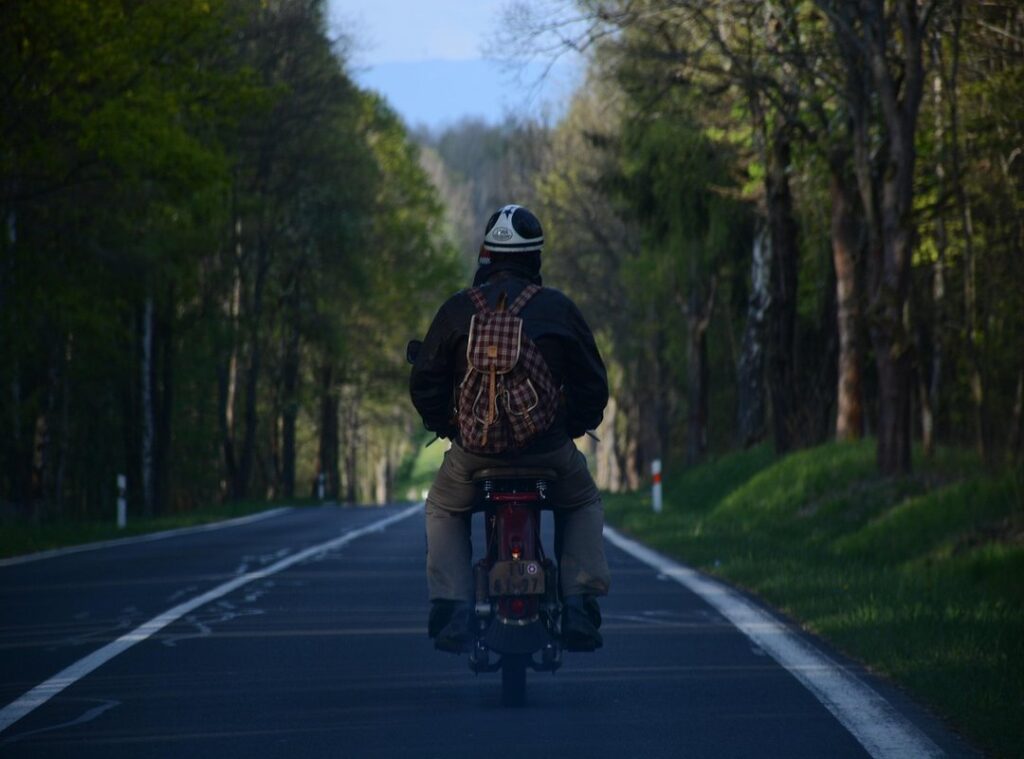
My motorbike felt wrong.
Not broken (just) off. Like it was holding back.
You know that feeling. Throttle response is lazy. Fuel gauge drops too fast.
Or maybe the bike just doesn’t pull like it used to.
I’ve seen it a hundred times. Riders blaming the bike. Blaming the weather.
Blaming everything except the tuning.
It’s not magic. It’s not guesswork. It’s basic, repeatable work (and) it fixes almost all of it.
This isn’t theory. I’ve done this on carbureted bikes and fuel-injected ones. On dirt bikes and cruisers.
On it that ran like garbage and bikes that ran like rockets. After one afternoon of real tuning.
You want Motorbike Tuning Advice Fmbmototune that works. Not hype. Not jargon.
Just what to adjust, where to start, and how to tell if it’s better. Before you even leave the driveway.
No fluff. No filler. No “open up your potential” nonsense.
Just straight talk about making your bike run right.
You’ll get clear steps. Real examples. And zero pressure to buy anything.
By the end, you’ll know exactly how to tune your motorbike. And why each change matters.
What Motorbike Tuning Really Is
Motorbike tuning means adjusting your bike’s engine and related systems to work better. Not magic. Not guesswork.
Just precise changes to fuel, air, timing, and throttle.
I’ve seen bikes run rough until a simple tune fixed everything. (Yes, even that 2008 Ninja that coughed at stoplights.)
Tuning matters because it affects what you feel every time you twist the throttle. More power when you need it. Better mileage on long rides.
Smoother response from idle to redline. It also reduces strain on the engine (so) it lasts longer. And yes, it makes riding more fun.
Different riders need different tunes. A commuter wants fuel economy and low-end torque. A track rider wants top-end power and sharp throttle response.
A mountain rider needs midrange punch and cooling stability.
You don’t need a dyno shop to start.
Basic tuning starts with understanding your bike’s behavior (and) knowing when something’s off.
For real-world Motorbike Tuning Advice Fmbmototune, check out Fmbmototune. They show exactly how small changes fix big problems. No jargon.
No fluff. Just working results.
You ever ride a bike that felt close to perfect (but) just missed the mark?
That’s tuning territory.
Fuel, Air, and Spark (The) Engine’s Breakfast
I tune bikes because they’re simple machines pretending to be complicated. They need three things to run: fuel, air, and spark. Nothing else.
Too little fuel? That’s lean. You’ll get overheating, pinging, and melted pistons.
Too much fuel? That’s rich. You’ll get black smoke, sluggish power, and fouled plugs.
You’ve felt that hesitation when climbing a hill (yeah,) that’s often the ratio being wrong.
Air gets in through the filter. Older bikes use carburetors. Mechanical mixers with jets and needles.
Newer ones use fuel injection (computers) squirting fuel based on sensors.
Spark plugs fire at exactly the right millisecond. Too early? Knocking.
Too late? Weak power and heat buildup. Ignition timing isn’t guesswork (it’s) measured in degrees before top dead center.
(Yes, that’s a real phrase. No, it’s not scary.)
Think of it like lighting a campfire. Dry kindling + just enough lighter fluid + one match at the right time = clean burn. Wet wood, soaked in gas, lit with a damp match?
Yeah. That’s what rich, lean, and bad timing feel like.
This is where real-world Motorbike Tuning Advice Fmbmototune starts (not) with software or dynos, but with understanding what’s actually happening inside the cylinder. You don’t need a degree. You need attention.
And maybe a fresh set of plugs.
What Actually Needs Tuning
Carburetor tuning means touching jets. Main jet for wide-open throttle. Pilot jet for idle and low speed.
Needle position changes mid-range. Air screw tweaks idle mixture. (Yes, it’s fiddly.
Yes, you’ll turn it too far.)
Fuel injection isn’t magic. It’s just code in the ECU. Remapping changes how much fuel goes in.
And when the spark fires. You don’t guess. You log data.
You adjust. You test.
Air filters matter. A stock paper filter chokes airflow. A free-flow unit lets more air in.
That throws off your fuel mix. Richer than intended. So you must retune after swapping it.
Exhausts change back pressure. Less restriction means more airflow out. But the engine doesn’t know that.
It still tries to push against old pressure levels. So timing and fuel go sideways. Retune or risk flat spots.
Or worse.
Spark plugs? Heat range and gap aren’t optional extras. Too cold and they foul.
Too hot and they ping. Wrong gap and the spark misfires under load. I’ve seen bikes run worse with a “performance” plug that didn’t match the tune.
You’re not tuning for fun. You’re tuning so it runs right. Not louder.
Not flashier. Just right.
If you’re doing this yourself, start with the Motorcycle tune up fmbmototune guide. It walks through real-world steps. Not theory.
Motorbike Tuning Advice Fmbmototune isn’t about memorizing specs. It’s about knowing what changes what (and) why you can’t skip one step.
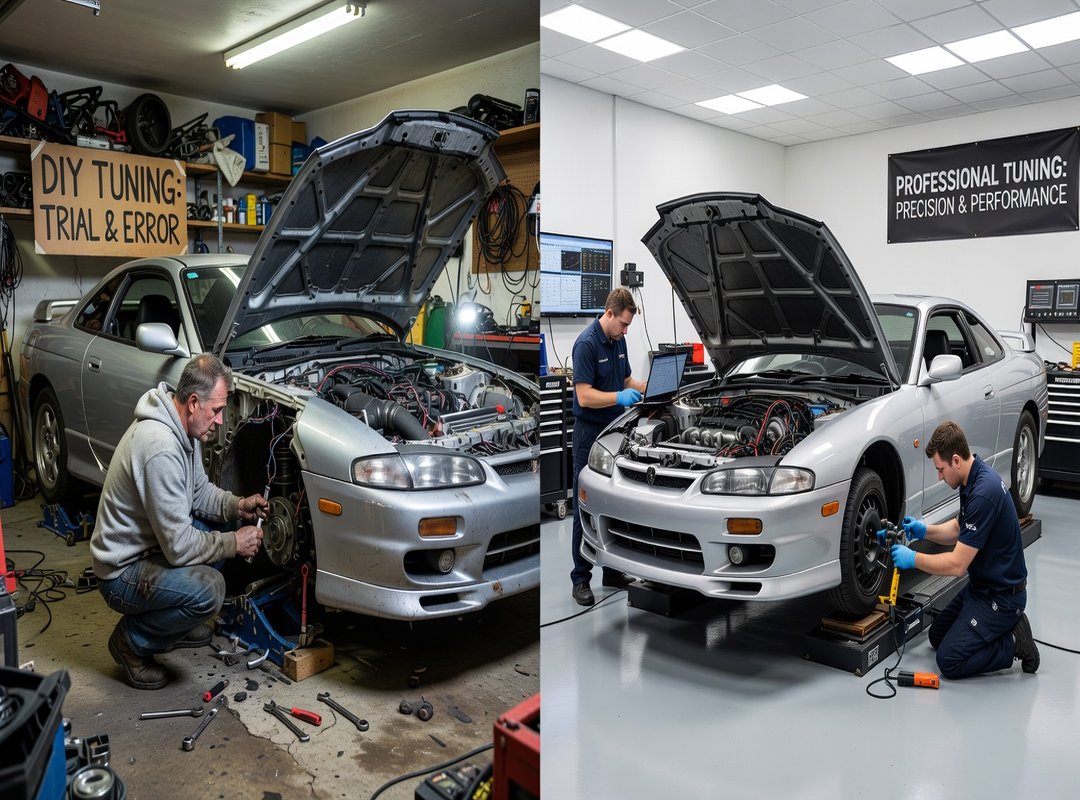
DIY vs Pro Tuning: Know When to Stop
I check my spark plugs every 2,000 miles. They’re cheap. They’re easy.
You can do it with a socket and five minutes.
Air filters? Same thing. Pull it, hold it to the light, blow it out.
If it’s gray and clogged, replace it. (Yes, even if it looks almost okay.)
Idle screw tweaks? Fine (if) your bike stumbles at stoplights and the manual says it’s adjustable. But if you turn it and the engine coughs or races?
Stop. Put the screwdriver down.
ECU remapping? Dyno tuning? That’s not a weekend project.
That’s wiring into the brain of your bike (and) guessing wrong fries sensors or melts pistons.
Professionals have tools you don’t own. A dyno isn’t just a fancy treadmill. It measures real power while adjusting fuel and timing.
They’ve seen what happens when someone leans out the mixture too far. (Spoiler: It’s loud, hot, and expensive.)
You want performance. Not smoke. Not limp mode.
Not a tow bill. If you’re reading the manual sideways (or) Googling “what does this error code mean?”. Call a pro.
Motorbike Tuning Advice Fmbmototune isn’t about doing everything yourself.
It’s about knowing what you can fix (and) what will fix you if you try.
When Your Bike Starts Lying to You
My bike coughs. It hesitates. It drinks gas like it’s free.
That’s not normal. That’s a sign.
Poor fuel economy? Your carburetor or ECU is out of whack. Backfiring?
Likely timing or air leak. Hesitation on throttle? Fuel delivery or spark issue.
Sluggish performance? Could be clogged air filter (or) worse, bad valves. Rough idle?
Idle screw misadjusted or vacuum leak. Black exhaust smoke? Too much fuel.
White? Too little. (Yeah, white means lean (not) clean.)
You know your bike’s voice. When it changes, listen.
Don’t wait for it to quit on the highway.
I ignore small symptoms until they cost me time and cash. You?
This guide covers whether tuning is safe. learn more. Motorbike Tuning Advice Fmbmototune isn’t magic. It’s maintenance.
Ride Better Tomorrow
I’ve seen too many riders twist the throttle and wonder why their bike feels flat.
You bought it to ride. Not to wrestle with lag or guess what’s wrong.
That gap between what your motorbike could do and what it does? That’s where Motorbike Tuning Advice Fmbmototune lives.
It’s not magic. It’s matching air, fuel, and spark to how you actually ride.
Stop ignoring the sputter. Stop blaming the weather. Start watching how your bike responds.
Right now.
Check the basics: air filter, plug gaps, tire pressure.
If it still hesitates or bogs down? Talk to a tuner who listens. Not one who just plugs in a laptop.
Your bike isn’t broken. It’s just waiting for you to pay attention.
Go outside. Start today.