
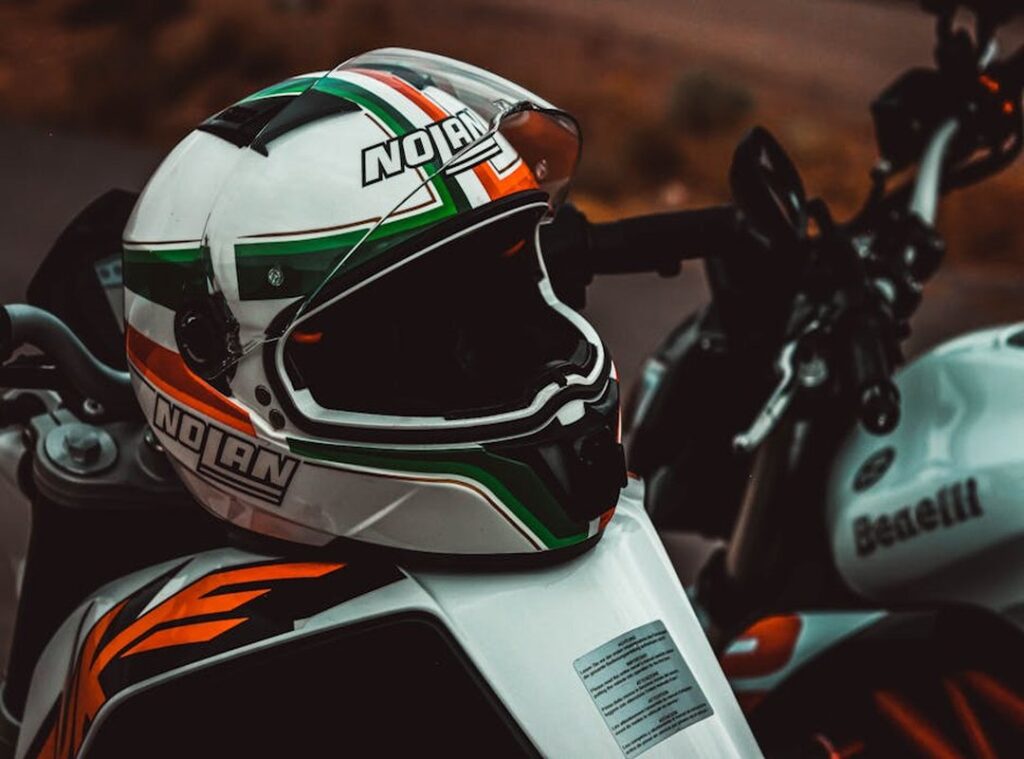
I’ve dropped helmets. I’ve bought the wrong size twice. I’ve worn one that gave me a headache after ten minutes.
Choosing a helmet shouldn’t feel like decoding a manual written in Klingon.
It’s confusing. You see all the styles. You read the labels.
You wonder if “DOT approved” means anything (it does). You ask yourself: Is this thing actually going to keep my head intact?
A helmet isn’t just gear. It’s the only thing between you and pavement when things go sideways.
Fit matters more than looks. Safety standards aren’t marketing fluff (they’re) your baseline. And no, a full-face helmet isn’t automatically better for every rider (dirt bike riders know what I mean).
This Motorbike Helmet Guideline Fmbmotogear cuts through the noise.
No jargon. No hype. Just straight talk about fit, standards, types, and what actually keeps you safe.
You’ll learn how to test a helmet in under two minutes. You’ll know which certifications matter (and) which ones don’t. You’ll understand why your riding style changes what kind of helmet you need.
By the end, you won’t guess. You’ll decide.
Your Helmet Isn’t Just Gear. It’s Your Lifeline
I’ve seen what happens when it fails. It’s not theoretical. It’s real.
Helmets save lives. They stop skulls from cracking. They keep brains from slamming into bone.
No debate. No asterisks.
You need a certified helmet. Not just any helmet. One stamped with DOT, ECE, or Snell.
Those aren’t logos. They’re proof it passed real tests.
DOT is the U.S. legal floor. Minimal impact testing. Basic strap strength.
(It’s the bare minimum (not) where you want to stop.)
ECE is European. Tougher. Wider testing angles.
Better retention system checks. Used in 50+ countries. More reliable than DOT alone.
Snell? That’s race-level. Higher drop heights.
Stricter penetration limits. Not required (but) if you ride hard, you’ll sleep better knowing it’s on your head.
All three test for impact absorption, shell penetration, and chin strap strength. If it lacks one of those marks? Walk away.
Look for the label inside the helmet. Not just a sticker slapped on the box. Fake helmets skip certification.
Real ones wear it like a badge.
Want a solid starting point? Check the Motorbike Helmet Guideline Fmbmotogear list. It cuts through the noise.
You wouldn’t skip brakes. Why skip your helmet’s credentials? What’s stopping you from checking that label right now?
Fit Isn’t Optional. It’s Everything.
I’ve seen too many riders strap on helmets that slide around like loose hats. That’s not safety. That’s luck waiting to run out.
A helmet must be snug all the way around. Not crushing. Not pinching.
Just firm contact (no) gaps, no hot spots. If you feel pressure in one spot and nothing in another? It’s wrong.
If it shifts when you shake your head? It’s wrong. If your cheeks don’t press gently into the pads?
It’s wrong.
Measure your head right. Wrap a soft tape around your forehead, just above your eyebrows and ears. Don’t pull tight.
Don’t guess. Write it down.
Try it on. Buckle it. Shake side to side.
Then up and down. The helmet should move with your skin (not) slide over it. Your cheeks should feel full.
Not squeezed. Not empty.
An ill-fitting helmet fails twice: in a crash, and every mile before it. It won’t stay put when you need it most. And you’ll hate wearing it long before you ever need it.
There’s no shortcut. No hack. Just measure, try, test, repeat.
That’s the real Motorbike Helmet Guideline Fmbmotogear. Not marketing. Not sizing charts guessed from memory.
Just your head. Your helmet. One fit that works.
You know when it’s right.
You’ll feel it.
Helmets Aren’t One-Size-Fits-All
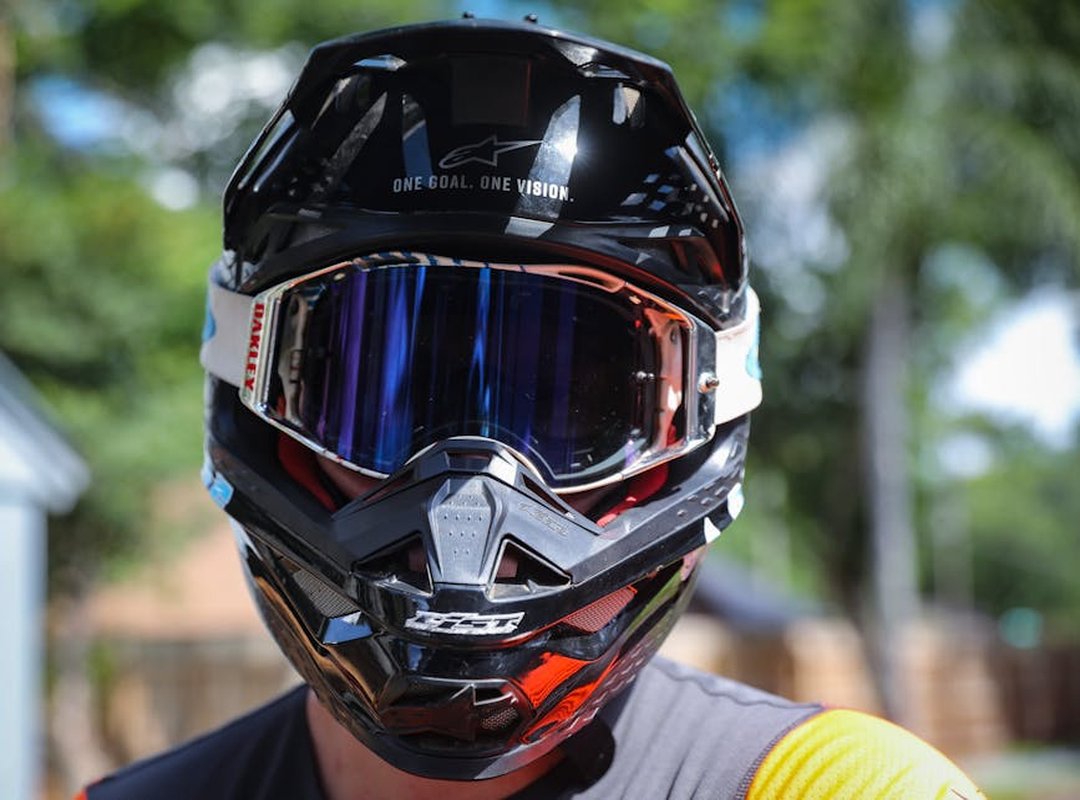
I bought a full-face helmet the first time I rode on the highway. My knuckles were white the whole way. That thing saved my face when I wobbled over gravel at 45 mph.
Full-face helmets cover your whole head. They’re the safest choice for most riders. No debate.
Modular helmets flip up. Great for coffee stops or yelling at traffic. But they weigh more and crack easier in a crash.
I tried one for two weeks. Felt like wearing a toaster.
Open-face helmets? Fine for scooters around town. Not fine if you hit a bug at 30 mph.
Your chin stays bare. That’s not protection. That’s hope.
Off-road helmets have big vents and no face shield. You wear goggles with them. I wore one trail-riding last summer.
Sweat stung my eyes until I switched to a full-face with better airflow.
Ventilation matters. So does weight. So does whether your helmet actually fits your skull (not) just your ego.
Protection isn’t about looks.
It’s about what stops bone from meeting pavement.
If you’re serious about gear, you’ll care about gloves too.
learn more
This is the Motorbike Helmet Guideline Fmbmotogear. Use it. Not just read it.
What You Actually Get From a Good Helmet
I’ve worn helmets that made my ears ache after twenty minutes.
You know the ones.
Ventilation isn’t just about staying cool.
It stops your visor from fogging mid-turn (because) yes, that will happen if airflow sucks.
A good visor resists scratches and UV rays. And it swaps out fast when it’s cracked or cloudy. (No, duct tape does not count as a repair.)
Removable lining? Non-negotiable. Sweat builds up.
Bacteria grows. You wash it like socks (or) you smell like old gym bags.
Lighter weight means less neck fatigue on long rides. I’ve dropped helmets at gas stations just to feel how heavy they are. Don’t be me.
Wind noise adds up. Some helmets cut it way down. Others sound like a jet engine strapped to your skull.
If you ride with others, check intercom compatibility before buying.
Not all helmets have space or mounting points for mics and speakers.
These aren’t extras.
They’re what keeps you focused (not) fiddling, sweating, squinting, or shouting over wind.
Skip the fluff. Prioritize what changes your ride today. That’s the real point of any Motorbike Helmet Guideline Fmbmotogear.
Need help picking gear that works with you. Not against you?
learn more
Your Helmet Choice Starts Today
I’ve been there. Staring at rows of helmets. Confused by labels.
Wondering if that $200 one is really safer than the $80 one. You’re not overthinking it. The choices are overwhelming.
Safety standards aren’t optional. They’re your baseline. If it doesn’t meet DOT or ECE, walk away.
No debate. Fit isn’t close enough. It’s exact.
Tight but not painful. No slipping. No gaps.
Your ride type matters. Street? Dual-sport?
Track? One size does not fit all. Features like ventilation or quick-release straps?
Nice. But never trade them for fit or certification.
This isn’t about gear. It’s about walking away from a crash. It’s about riding longer, harder, and with real peace of mind.
That $300 helmet isn’t expensive. The alternative is.
You came here because you wanted clear, no-bullshit direction. You got it. Now go try on five helmets.
Not one. Not two. Five.
Shake your head. Nod.
Look up. Bend over. If it moves, it fails.
Motorbike Helmet Guideline Fmbmotogear gives you what you actually need. Not hype, not jargon, just what works. Stop scrolling.
Start trying. Your next ride depends on the helmet you pick today.