
Battery Tech: More Miles, Less Charge Time
Electric vehicle batteries are finally catching up with consumer expectations and then some. Solid state batteries, long hyped and slow moving, are now edging closer to real world production. These packs ditch the flammable liquids, which means better safety, higher energy density, and simply more miles per charge.
The big win? Faster charging without putting battery health on the line. We’re talking 80% charge in under 15 minutes without killing long term capacity. It’s not just convenience it’s peace of mind for people on the move.
Smaller and lighter battery packs are also making their way into new designs. Less weight means better range. It also gives automakers more freedom to experiment with layout, cabin size, and aerodynamics without compromise.
And under the hood, battery sustainability is getting real attention. Companies are cleaning up their material supply chains and doubling down on recyclable components. Less rare earth dependency, better recycling loops it’s inching toward a cleaner, more circular process.
Explore more in depth insights in: 2024 EV innovations
Software Defined Vehicles Are the New Normal
Cars aren’t just machines anymore now they’re software platforms on wheels. Over the air (OTA) updates are flipping the script on how long a car stays “modern.” Instead of getting outdated the moment you drive off the lot, today’s EVs get smarter with time. Automakers push updates straight to your driveway, upgrading everything from battery performance to navigation systems with a single click. The car you own today might drive, park, and entertain better six months from now.
Then there’s AI stepping into the driver’s seat not literally, but close. New driving assistants rely on predictive algorithms, learning your habits and the road over time. That means fewer false alarms and a smoother co pilot experience. Diagnostics are also catching up: now your car can flag issues before they become problems, helping with preemptive maintenance that saves money and headaches.
On the inside, infotainment systems aren’t just about music and maps anymore. They’re deeply tied into your digital life. We’re talking personal calendars, custom content feeds, and seamless voice interface across multiple platforms. If your car doesn’t know your podcast rotation or remind you, gently, to pick up groceries it’s behind.
The bottom line: software defined vehicles aren’t futuristic anymore. They’re here, updating quietly overnight while you sleep.
Charging Infrastructure Gets Smarter
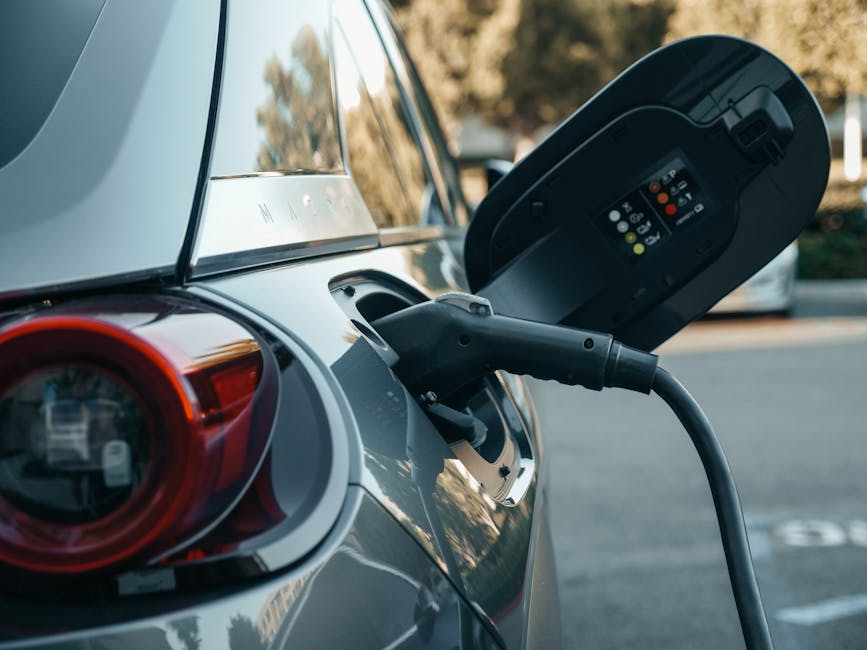
The gas station isn’t going extinct yet, but the EV charge hub of 2024 looks a lot different. Ultra fast chargers are changing the game, delivering hundreds of miles of range in under 15 minutes. That’s not just convenient it’s essential. For road trips, commutes, or just peace of mind, reduced downtime makes electric more practical than ever.
But it’s not just about speed. Bi directional charging is turning cars into power sources. Your EV can feed energy back into your house or even the grid. It’s no longer just transportation; it’s part of the energy system. This function could be a backbone for future energy resilience.
And the maps are filling in. New funds and partnerships are building out charging networks beyond cities. Rural and underserved areas are finally seeing chargers pop up, closing the convenience gap. Access and equity are becoming part of the EV rollout strategy not just an afterthought.
Smart charging isn’t just a feature anymore. It’s infrastructure shaping how and where people drive.
Design Shifts for Efficiency and UX
Today’s EVs don’t just look sleeker they’re built to slip through air like a blade. Every curve and contour is calculated to reduce drag and stretch every kilowatt. This isn’t cosmetic. Increased aerodynamics directly impact range and efficiency, letting vehicles do more with the same battery power.
Inside, it’s minimalism with purpose. Without bulky engine components, the cabin opens up. Flat floors, smart storage, and clean dashboards all reflect a design philosophy rooted in space conscious utility. EVs are ditching knobs and clutter for intuitive touch controls, ambient lighting, and dynamic displays. It’s a clean break from the past literally.
Comfort isn’t an afterthought either. EVs rely heavily on thermal management not just for passengers, but for the battery systems. Smarter HVAC systems use targeted heating and cooling zones, recapture waste heat, and maintain battery temps within ideal performance windows. The goal? Keep you comfortable and your battery healthy, no matter the weather.
Design in the EV space isn’t just about aesthetics anymore. It’s about performance, efficiency, and intelligently serving both rider and machine.
The Rise of Affordable EV Models
Electric cars aren’t just a luxury item anymore. 2024 is the year affordable EVs actually show up in force. We’re talking real options under $30K not just tiny city cars, but usable models with solid range and functionality. Brands like Chevy, Hyundai, and BYD are releasing compact EVs that don’t look or feel like compromises.
What’s fueling this surge? Incentives are doing a lot of the lifting. Federal tax credits, plus local perks in places like California, New York, and even parts of the Midwest, are dropping prices far enough to make buyers reconsider that gas engine. Some buyers are walking out with net costs closer to $20K, especially after stacking credits, rebates, and dealer programs.
Automakers are finally climbing on board, too. They’re ramping up dedicated EV platforms that are cheaper to produce and easier to scale. The powertrain tech from $70K models is trickling down into economy builds. The result: smaller, leaner EVs with fewer frills but efficient, clean, and genuinely practical enough for the average driver.
Affordable EVs aren’t just possible anymore they’re unavoidable. And they’re rewriting the rules on who gets to drive electric.
Beyond the Vehicle
Electric cars aren’t just transportation anymore they’re becoming part of your home, your grid, even your daily data ecosystem. In 2024, EVs are deeply integrated into smart homes, syncing with solar panels, energy storage systems, and home automation. Your car isn’t just using electricity it’s balancing it. It charges when demand and cost are low, then sends power back to your home or grid when needed. This vehicle to home (V2H) and vehicle to grid (V2G) tech is turning cars into mobile batteries for your whole life.
The data side is evolving too. Every EV becomes a rolling sensor, feeding anonymized info into traffic management, local weather modeling, and infrastructure planning. That data creates smarter cities not just smoother drives. The question now is how much drivers will benefit from sharing that data.
And then there’s the way we pay for cars. Full ownership isn’t the only option anymore. Subscription driving services are letting people pay monthly for access to models they want, with built in maintenance and upgrades. Battery leasing is also expanding it lowers the cost of the car and shifts long term performance risks away from the buyer. These business models are still shaking out, but one thing’s clear: how we buy, use, and integrate EVs is getting a major overhaul.
For a complete rundown of the top EV tech coming in 2024: 2024 EV innovations