

Picking an investment account in Gscfinanceville feels like trying to read a menu in another language. You know you need to start. You just don’t know where.
Which one actually fits your life? Not your neighbor’s. Not some influencer’s.
Yours.
I’ve opened too many accounts to count. Some worked. Most didn’t.
And every time, I asked the same question: What am I really trying to do here?
That’s why this isn’t a list of every option with fancy names and fine print.
This is about Which Investment Account to Open Gscfinanceville. Based on what you want, how much time you have, and what kind of risk you can actually live with.
Not what sounds smart. Not what’s trending. What works for you.
People skip this step and end up stuck. Or worse (they) pick something that costs more than it earns.
This guide cuts through that noise.
You’ll learn the real differences. Not just definitions (and) how each account behaves in Gscfinanceville’s rules and taxes.
By the end, you won’t just know your options. You’ll know which one to open next. And why it’s the right move.
Why Your “Why” Beats Any Account Choice
I ask myself this first. Every time. Before picking a fund or reading a prospectus.
I ask why I’m investing at all.
You should too.
Most people skip this. They open accounts because their coworker did. Or because an ad said “start now.”
That’s how you end up with a Roth IRA for a down payment due in three years.
(Spoiler: bad idea.)
Common goals? Retirement. House.
College. Just growing money. But here’s the thing (your) goal means nothing without a timeline.
Short-term (under 5 years)? You need safety. Not stocks.
Medium-term (5 (15) years)? Maybe some risk. But not full exposure.
Long-term (15+ years)? That’s where stocks make sense.
Which Investment Account to Open Gscfinanceville depends entirely on that combo (goal) + timeline. Not your friend’s advice. Not a TikTok trend.
Want real examples? Gscfinanceville breaks down how a 2-year car fund differs from a 30-year retirement plan. No jargon. No fluff.
Just what works. And why the rest is noise.
You’re not investing to check a box.
You’re investing to get somewhere.
So (where) are you actually going?
Retirement Accounts That Actually Work
I opened my first 401(k) the day I got my first real paycheck. Not because I understood taxes. Because my boss said, “They’ll match 3% (that’s) free money.”
It was.
A 401(k) is your employer’s retirement plan. They take money straight from your paycheck before taxes hit. And if they match?
That’s cash you don’t get to skip.
IRAs are different. You open them yourself (no) employer needed. There are two main kinds: Traditional and Roth.
Traditional IRA contributions might lower your tax bill this year. But you pay taxes later. When you pull money out in retirement.
Roth IRA? You pay taxes now, so withdrawals later are tax-free.
Which makes more sense? If you’re making $45k now but expect $90k in retirement? Roth.
If you’re at $120k now and plan to retire early on less? Traditional.
2024 contribution limits: $23,000 for 401(k)s (if you’re 50+), $7,000 for IRAs. That’s it. No loopholes.
No fine print gymnastics.
You’re probably wondering: Which Investment Account to Open Gscfinanceville? Start with the 401(k) match (always.) Then fill a Roth IRA if you can. Then go back to the 401(k).
No magic. No jargon. Just math that works.
If you do the bare minimum. (And yes, “bare minimum” includes actually logging in and clicking “enroll.”)
Brokerage Accounts: Your Money, No Rules
I open brokerage accounts when I want to invest outside retirement.
They’re not for retirement only. They’re for anything. A house down payment.
A car. Just building wealth.
These are taxable accounts. You pay taxes on profits when you sell high. (Yes, even if you reinvest.)
No contribution limits. No withdrawal penalties. Pull money out tomorrow if you need it.
I buy stocks. Bonds. ETFs.
Mutual funds. Whatever fits my plan.
No gatekeepers. No age restrictions. Just you and your broker.
Which Investment Account to Open Gscfinanceville? That’s the real question right now (especially) with rates shifting and markets wobbling.
If you’re saving for something specific in the next 1 (5) years, a brokerage account often makes more sense than locking money away.
You don’t need a fancy title or a 401(k) match to start.
Just pick a platform. Fund it. Buy what you believe in.
Stuck choosing? Find the right financial advisor gscfinanceville can cut through the noise.
No jargon. No upsell. Just clarity.
I’ve used one before. Saved me six months of guessing.
HSAs and 529s: Two Accounts That Actually Work
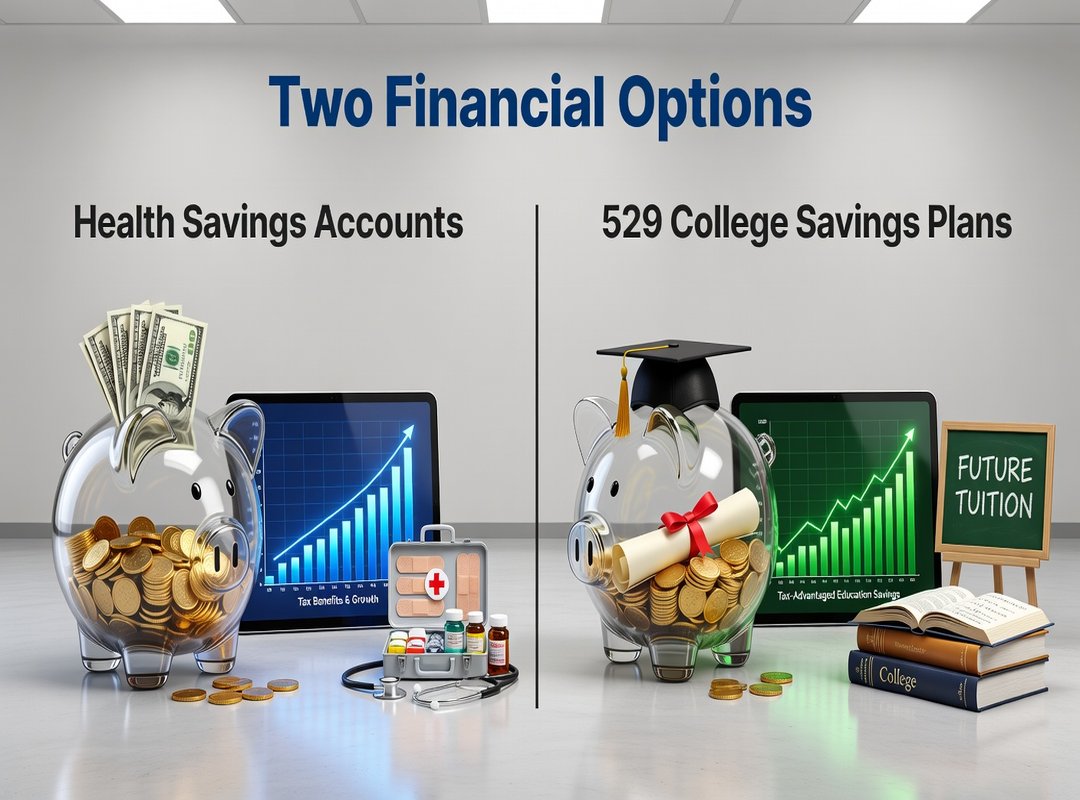
I opened an HSA the year my daughter broke her arm. (Turns out, a $1,200 ER visit is a qualified expense.)
HSAs are triple tax-advantaged. I deduct contributions, earnings grow tax-free, and I withdraw tax-free for medical costs.
You need a high-deductible health plan to qualify. No workaround. Just accept it.
After 65, I can use HSA money for anything (no) penalty (though) non-medical withdrawals get taxed like income. (Kinda like an IRA with better rules.)
I started a 529 for my son when he was six months old. Not because I’m brilliant (but) because tuition went up 42% since I graduated.
529s grow tax-free and come out tax-free for college, trade school, or even K. 12 tuition in many states.
Which Investment Account to Open Gscfinanceville depends on your biggest near-term need: health bills or tuition bills.
HSAs suit people with decent health coverage and cash flow.
529s fit families who know college is coming. And want to stop praying tuition won’t bankrupt them.
I maxed my HSA before my 401(k) last year. (My accountant blinked. I didn’t.)
You don’t need both. But picking one (and) using it (beats) doing nothing.
What’s Your Next Move in Gscfinanceville?
You want to invest.
But you’re stuck on Which Investment Account to Open Gscfinanceville.
Start with your goals. What are you saving for? A house?
Retirement? Your kid’s college? Your timeline matters just as much.
Five years? Twenty? That changes everything.
Taxes freak you out? Good. So do most people.
Pick an account that matches your comfort. Not someone else’s spreadsheet.
If you’ve never bought a stock or opened a Roth IRA, start small.
A $50 monthly contribution beats waiting for “perfect.”
Talk to someone local. Or use an online broker that serves Gscfinanceville. No gatekeeping.
No jargon. Just clarity.
There is no universal best account.
Only the right one for you, right now.
Need help finding real advice?
Where Can I Find Financial Advice Gscfinanceville
Your First Move Starts Now
I opened my first account thinking I needed to know everything first.
I was wrong.
You now know the difference between retirement, general, and specialized accounts.
That’s more than most people have before they click “open.”
Choosing the right one isn’t about perfection.
It’s about matching your goal (not) someone else’s timeline or rules.
You wanted clarity on Which Investment Account to Open Gscfinanceville.
You got it.
Your pain? Wasting time in the wrong account. Losing money to fees or missed tax breaks.
Stalling while others move forward.
Don’t wait for a sign.
Open the account that fits your goal (today.)
Go do it.